How I Healed My Partial Meniscus Tear Without Surgery - Dr. Sandy
This is my personal journey with a partial meniscus tear in July of 2025 and how I recovered without surgery.
I want to share something personal with you, because I think it matters when your provider has actually been through what you're dealing with.
Last year, I partially tore my meniscus in my left knee playing tennis. If you've been told you have a meniscus tear, you probably know the conversation that often follows: rest, maybe a cortisone shot, and a referral to an orthopedic surgeon to discuss "your options." Surgery feels like the default path in current culture.
I chose a different one.
Six months later, I was squatting pain-free with weight on my back. No surgery. No injections. Just a structured, intentional rehab plan and a lot of patience.
Here's what I did.
First, a Reality Check About Meniscus Tears
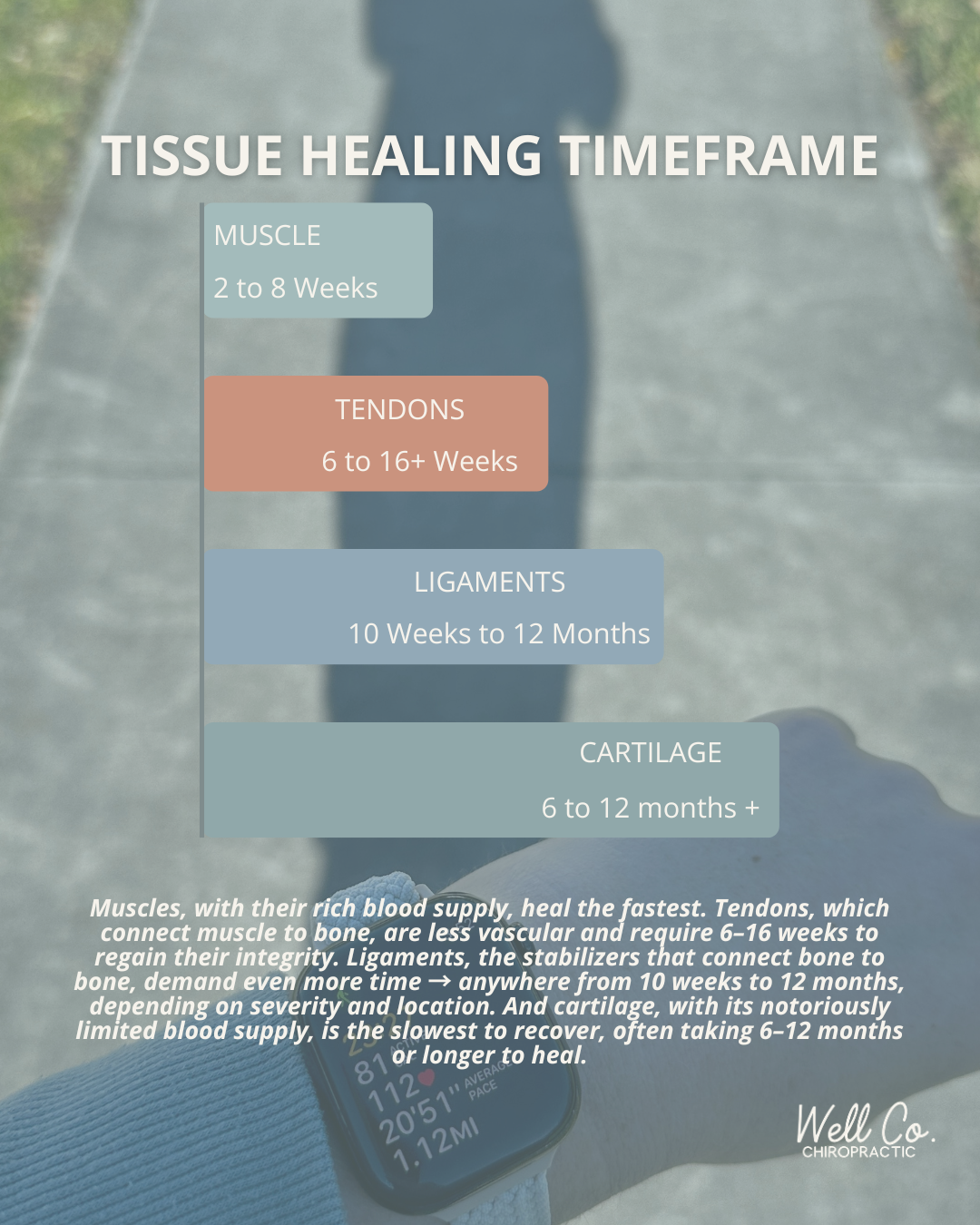
Not all meniscus tears are the same, and not all of them require surgery. Research increasingly supports conservative management, meaning physical rehabilitation, as a first-line approach for many tear types, particularly degenerative or partial tears. A 2018 study published in the British Journal of Sports Medicine found that supervised exercise therapy was just as effective as surgery for many patients with degenerative meniscus tears.
Cartilage also can take 6-12+ months to heal. Give yourself time.
That said, every case is different. Some tears, particularly acute, traumatic tears with mechanical locking or severe instability, may genuinely require surgical intervention. This is why working with a provider who can assess your specific situation matters so much. If you're navigating a meniscus injury, please come in so we can talk through your options together.
The Principles I Built My Recovery Around
Before I get into the plan itself, here are the principles that guided every decision:
Stability before strength. The meniscus is a shock absorber and stabilizer. Before loading it, I needed to rebuild the muscles around the knee, especially the glutes, hamstrings, and quads, to take stress off the joint itself.
Avoid the movements that provoke it. Deep flexion, twisting, and shearing forces were off the table early on. Not forever, but until the tissue had time to heal and the surrounding muscles were strong enough to protect it.
Treat inflammation consistently. This is where the Normatec boots became one of my best tools (more on that below).
Progress slowly and earn each step. The temptation to rush is real. I ignored it. Every week I asked: can I do more of this with good form and no pain increase? If yes, I progressed. If no, I stayed put.
The Normatec Boots: My Secret Weapon for Inflammation
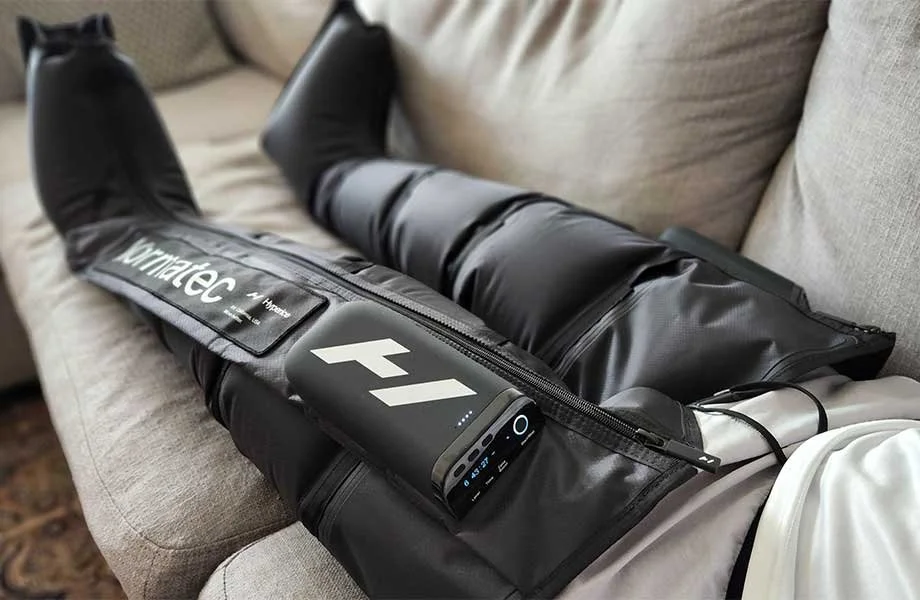
One of the most consistent things I did throughout my recovery was use Normatec compression boots daily, especially after any workout or on days when my knee felt swollen or heavy.
Normatec boots use sequential pneumatic compression, essentially a pulsing pressure that moves from the foot upward through the leg, to help flush out metabolic waste, reduce swelling, and improve circulation to healing tissue. Think of it like a deep lymphatic massage for your whole leg.
For a meniscus injury, managing inflammation isn't just about comfort, it's about creating the right environment for tissue healing. Chronic low-grade swelling in a joint slows recovery, inhibits muscle activation (a phenomenon called arthrogenic muscle inhibition), and can make you more likely to compensate in ways that create secondary issues.
I used the boots for 15 minutes most evenings, prioritizing it on days that I did my rehab. The difference in how my knee felt day-to-day was significant.
The Rehab Plan
I've structured this into a full weekly plan that balances rehab-focused leg work, low-impact cardio, upper body training, and recovery. The key pillars were:
Two dedicated rehab leg days per week, built around exercises that load the knee safely — wall sits, step-ups, glute bridges, hamstring curls, and banded lateral walks. No deep squats, no lunges past 90 degrees, no twisting or pivoting until much later in the process.
Low-impact cardio 2–3 times per week — stationary bike and incline treadmill walking were my go-tos. These kept my fitness up, supported circulation, and didn't stress the knee.
Upper body and core work to stay strong and maintain overall fitness while the knee healed. I didn't let the injury become an excuse to do nothing.
A dedicated mobility and recovery day — gentle stretching, foam rolling, and sometimes just 15 minutes of movement to keep things loose without loading the joint.
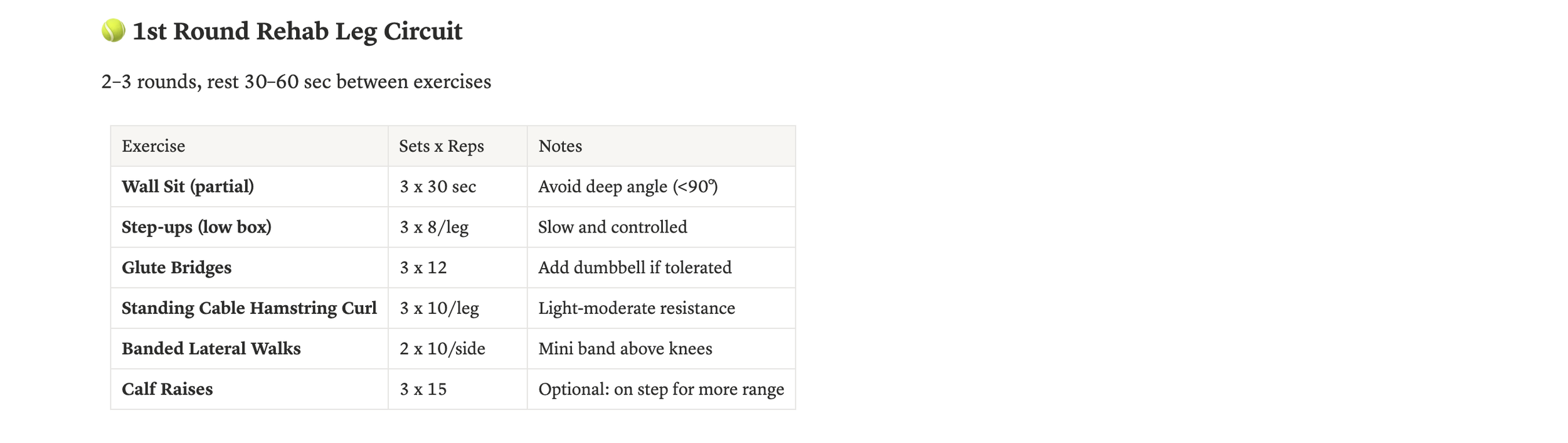
A sample of my rehab I did 2-3x a week
How We Treat Meniscus Injuries In Office
Alongside your home rehab plan, there are two in-office treatments that made a significant difference in my own recovery, and that we use regularly with patients dealing with meniscus injuries, knee pain, and surrounding soft tissue issues.
Active Release Technique (ART)
ART is a hands-on soft tissue therapy that targets the muscles, tendons, ligaments, and fascia surrounding the knee joint. With a meniscus injury, the surrounding muscles (particularly the quadriceps, hamstrings, and calf) often tighten and shorten as a protective response. Over time, this creates adhesions: areas where tissue gets stuck together and loses its ability to move freely.
These adhesions don't just cause pain, they alter how load is distributed through the knee, which can slow healing and increase the strain on the meniscus itself.
ART works by combining precise tension with specific patient movements to break up those adhesions and restore normal tissue function. For my knee, regular ART sessions on my quad and hamstring attachments made a noticeable difference in how the joint tracked and loaded, and allowed me to progress in my rehab faster than I would have otherwise.
If you've ever been told your muscles are "tight" around a knee injury, ART is likely one of the most direct ways to address that.
Stemwave Therapy
Stemwave is an acoustic wave therapy, it delivers focused sound energy into damaged tissue to stimulate the body's natural healing response. It works by increasing blood flow to the area, activating the body's stem cell response, and reducing chronic inflammation at the tissue level.
For meniscus injuries specifically, one of the biggest challenges is that the inner portion of the meniscus has very poor blood supply, which is part of why meniscus tears are notoriously slow to heal and why surgery is so often recommended. Stemwave helps address this directly by signaling the body to send healing resources to an area that might otherwise struggle to receive them.
In my own recovery, I used Stemwave on my knee more consistently more recently in my recovery as I have upped my weight training. Combined with the compression from my Normatec boots and the progressive loading from my rehab plan, it’s been pretty game changing for my training.
Stemwave is non-invasive, requires no downtime, and typically takes just a few minutes per session. We offer it in office and it's one of our most effective tools for musculoskeletal injuries that haven't responded well to rest alone.
Interested in either of these treatments? We'd love to walk you through what a care plan might look like for your specific situation. Reach out or mention it at your next visit.
Where I Am Now in my Healing Journey
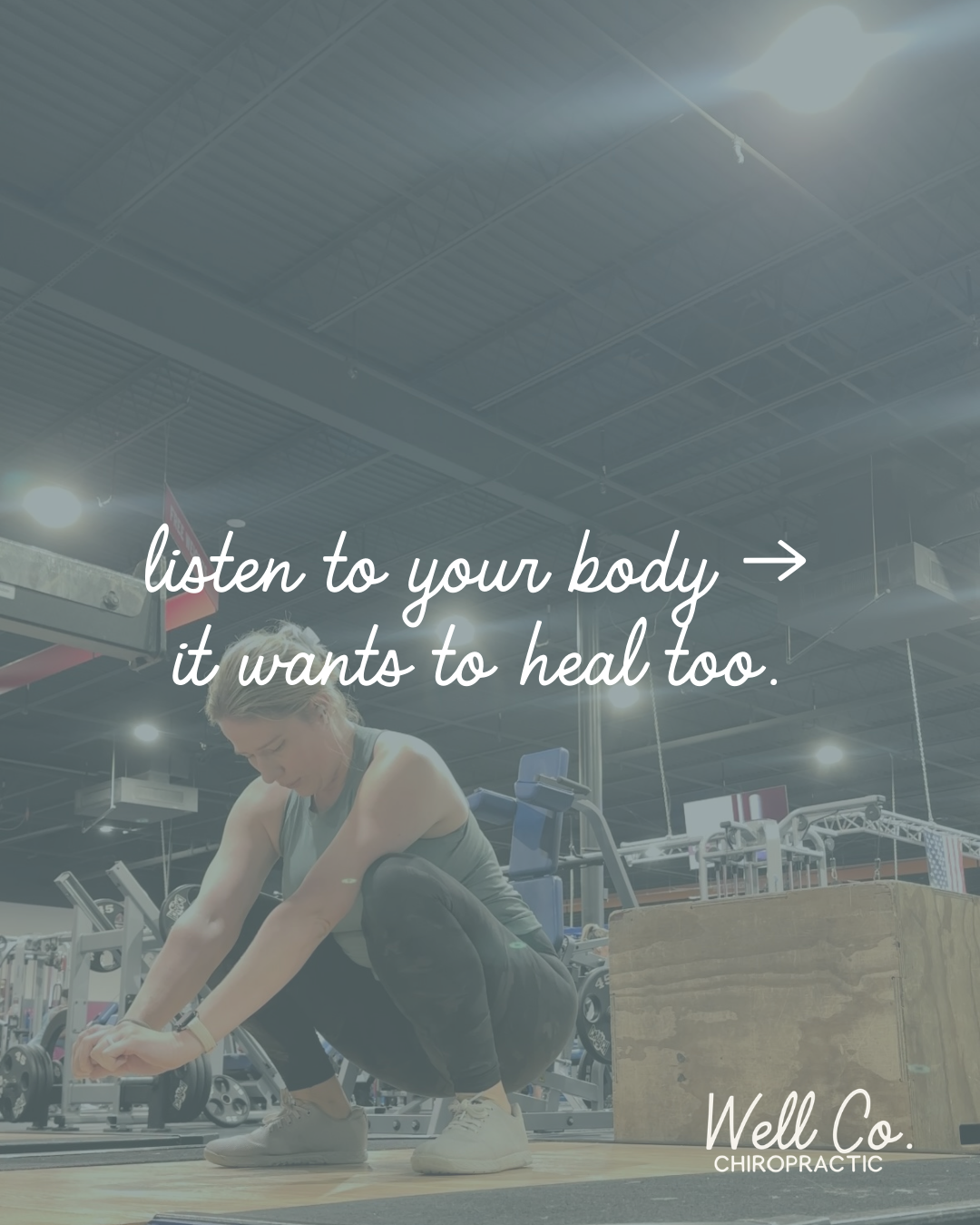
Six months after starting this plan and adding to it, I moved on from doing box squats and loaded a barbell on my back and squatted down without support. No pain. No swelling after. Just a knee that had been patiently, carefully rebuilt from the inside out. Was there a little cavitations or pops? Yes, but that does not bother me. What was really cool was not having any pain as I loaded weight onto the barbell.
I'm not sharing this to suggest everyone will have the same outcome, I'm sharing it because I want you to know that conservative care is a real, evidence-supported option worth exploring before jumping to surgery. And I'm sharing it because going through this myself made me a better clinician. I understand the frustration, the fear, and the small wins in a way I couldn't before.
If you're dealing with a knee injury and want to talk through your options, come see us. We'll take a thorough look and help you build a plan that makes sense for your body.
Where I Am Now in my Healing Journey
Six months after starting this plan and adding to it, I moved on from doing box squats and loaded a barbell on my back and squatted down without support. No pain. No swelling after. Just a knee that had been patiently, carefully rebuilt from the inside out. Was there a little cavitations or pops? Yes, but that does not bother me. What was really cool was not having any pain as I loaded weight onto the barbell.
I'm not sharing this to suggest everyone will have the same outcome, I'm sharing it because I want you to know that conservative care is a real, evidence-supported option worth exploring before jumping to surgery. And I'm sharing it because going through this myself made me a better clinician. I understand the frustration, the fear, and the small wins in a way I couldn't before.
If you're dealing with a knee injury and want to talk through your options, come see us. We'll take a thorough look and help you build a plan that makes sense for your body.