How We Rebuild Strength After Injury at Well Co Chiropractic
One of the most common reasons people stall in their recovery is moving into strength work before the tissue is ready for it. At Well Co Chiropractic in Sarasota, we follow a specific sequence: address the soft tissue first, then load it progressively, and support the whole process with a home program that keeps you moving between visits.
Why the Order Matters
After an injury, the body adapts quickly. Surrounding muscles tighten to protect the injured area, movement patterns shift to offload the pain, and over time those compensations become the new normal. If you start loading a tissue that still has restrictions or altered mechanics, you're building strength on top of a faulty pattern. That tends to reinforce the problem rather than fix it.
Preparing the tissue before asking it to work under load is what changes the outcome.
Soft Tissue Work First
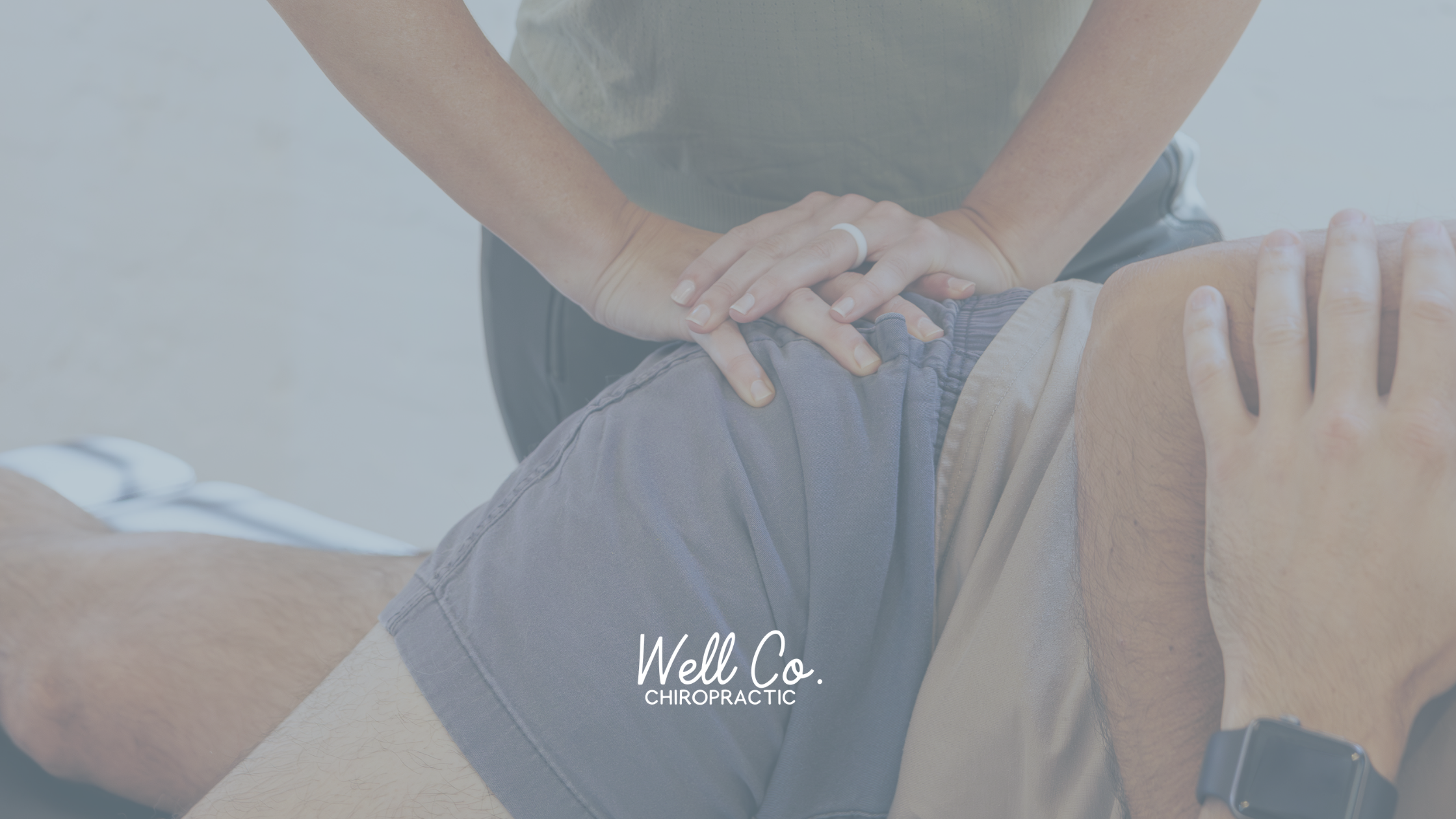
Depending on what we find in the assessment, treatment typically involves Active Release Technique, StemWave shockwave therapy, Graston, or a combination of the three.
ART addresses adhesions and restrictions in the muscle and fascia, restoring the tissue's ability to move and slide the way it should. StemWave is particularly useful for areas that have been symptomatic for a while, where the tissue has stopped healing on its own. It drives a repair response at the cellular level, improving blood flow and tissue quality. Graston works well for breaking down fascial restriction and scar tissue that has built up from repetitive strain or a prior injury.
The goal at this stage is to restore tissue mobility and reduce the mechanical load on structures that have been compensating. Once that improves, loading becomes safer and more effective.
Progressive Loading
Once the tissue is moving better, we introduce load gradually. Early on that usually means low-intensity work, isometric exercises that activate the muscle without stressing the joint. A patient rebuilding after a shoulder injury might start with isometric holds before progressing to resistance band work and eventually full movement patterns.
The progression is deliberate. We're watching how the tissue responds and adjusting based on that, not based on a fixed timeline. Moving too quickly leads to flare-ups and setbacks. Not progressing at all leaves patients with mobility but no resilience, which means the injury comes back under load.
Your “homework”
What happens between visits matters as much as what happens in the clinic. We build each patient a home program for their injury and where they are in recovery. Early on that might be simple mobility work or low-load activation exercises. As you progress, the home program evolves alongside your in-clinic work to reinforce what we're building in the session.
The home program is not optional. Tissue adapts through repeated loading over time, and two or three clinic visits a week can only do so much. The work you do at home is what consolidates the gains.
What This Looks Like in Practice
Most patients notice that the tissue feels different within the first few sessions, less guarded, moving more freely. Loading usually begins around week two, depending on the presentation. By weeks four to six, most patients are working through progressive strength exercises and reporting meaningful improvement in function.
The timeline varies based on how long the injury has been present, which tissues are involved, and individual healing factors. We give you a clear picture at your first visit based on what the assessment shows.
If you're in Sarasota and working through an injury that hasn't responded to rest or passive treatment, we're at 3982 Bee Ridge Rd. Book online at wellcochiropractic.com.