Why Your Shoulder Keeps Clicking on the Court: SLAP Tears in Sarasota's Tennis & Pickleball Community
If you play tennis or pickleball in Sarasota, your shoulders are working hard. Overhead serves, aggressive volleys, the repetitive rotation of a two-handed backhand. Over time, that load adds up, and one of the injuries that shows up most often in overhead court sport athletes is a SLAP tear.
It's one of those injuries that's easy to dismiss at first. A little click. Some soreness after a long match. Maybe you ice it, take a few days off, and get back on the court. But a few weeks later it's still there, and now it's affecting your serve.
What a SLAP Tear is
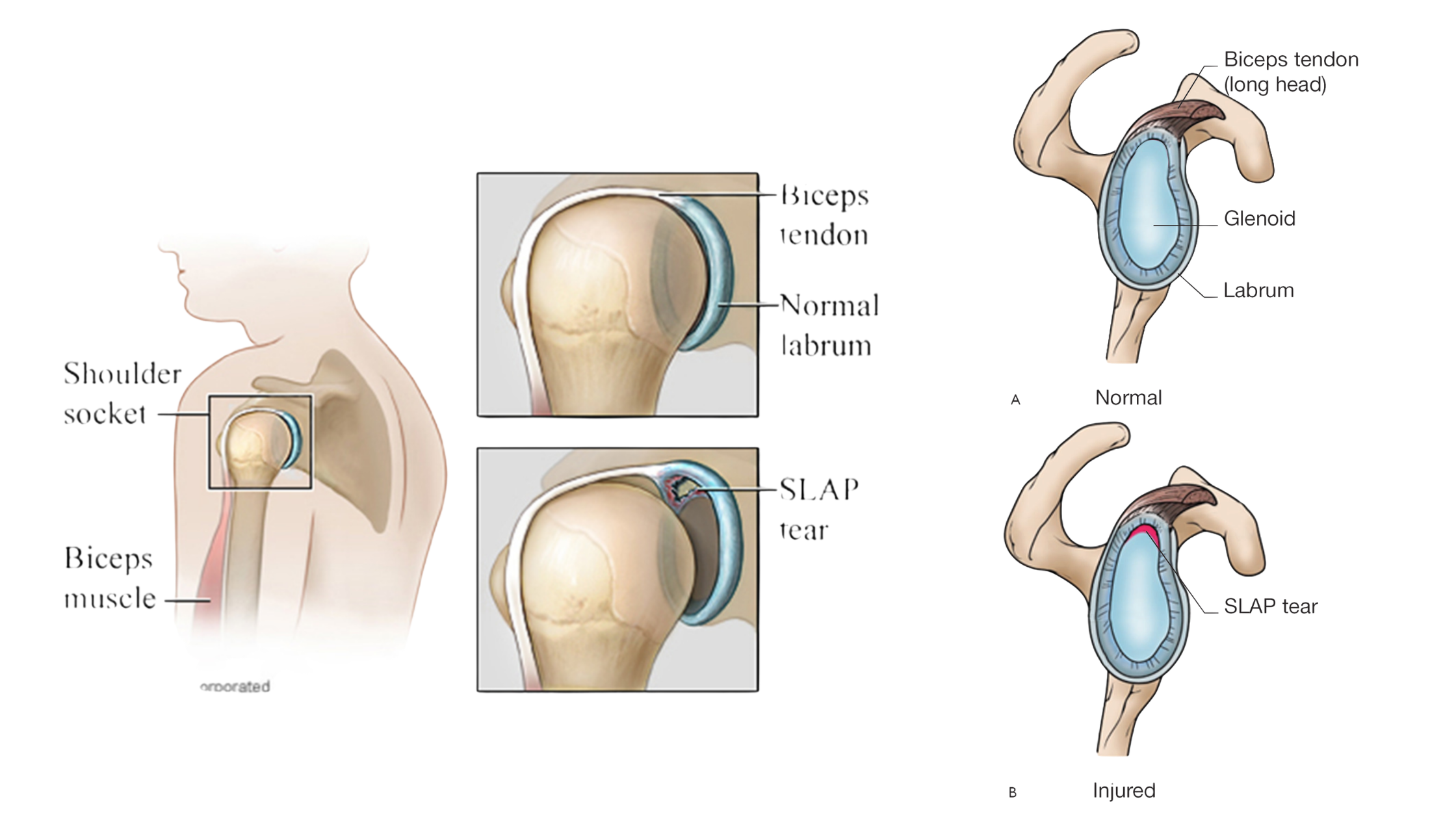
Your shoulder joint is a ball and socket, and the socket is lined with a ring of cartilage called the labrum. This ring deepens the joint, adds stability, and serves as the anchor point for the long head of your bicep tendon.
A SLAP tear, Superior Labrum Anterior to Posterior, is a tear at the top of that cartilage ring. In court sport athletes it typically happens one of two ways: a single traumatic event like a fall onto an outstretched arm, or gradual wear from repetitive overhead motion. The "peel back" phenomenon is common in throwers and overhead athletes, where the bicep tendon repeatedly pulls on the labral attachment during rotation until the tissue starts to fail.
What It Feels Like
The symptom pattern is usually pretty recognizable once you know what to look for.
Deep, hard-to-pinpoint shoulder pain that worsens with overhead activity. A clicking, catching, or popping sensation during movement. Weakness when serving or reaching across your body. Sometimes a dull ache that sits in the front of the shoulder or deep in the joint that doesn't respond to rest the way you'd expect.
A lot of players describe the feeling of something shifting or not quite tracking right. It's not always sharp. Sometimes it's just a loss of confidence in the shoulder, like you're bracing for something every time you wind up.
Why Labral Tissue Is Slow to Heal
The labrum is poorly vascularized. Without adequate blood flow, the tissue has limited access to the oxygen, nutrients, and cellular signals it needs to repair. Persistent mechanical stress from continued overhead activity, combined with ongoing inflammatory signaling, drives collagen degeneration and poor remodeling. Without restoring blood flow and cellular activation, symptoms tend to persist regardless of how much rest is taken.
This is the core problem with rest-only approaches. Reducing load on the tissue reduces pain temporarily, but it doesn't restart the biological repair process. The labrum sits in a structurally compromised state, and the underlying mechanics that produced the injury remain unchanged.
The Three-Part Treatment Approach at Well Co
The goal of treatment is to break that cycle, restore blood flow and cellular activity to the tissue, reduce the inflammatory load, and rebuild the stability and strength the shoulder needs to handle court demands again.
We use a combination of modalities depending on what the shoulder needs.
StemWave Shockwave Therapy
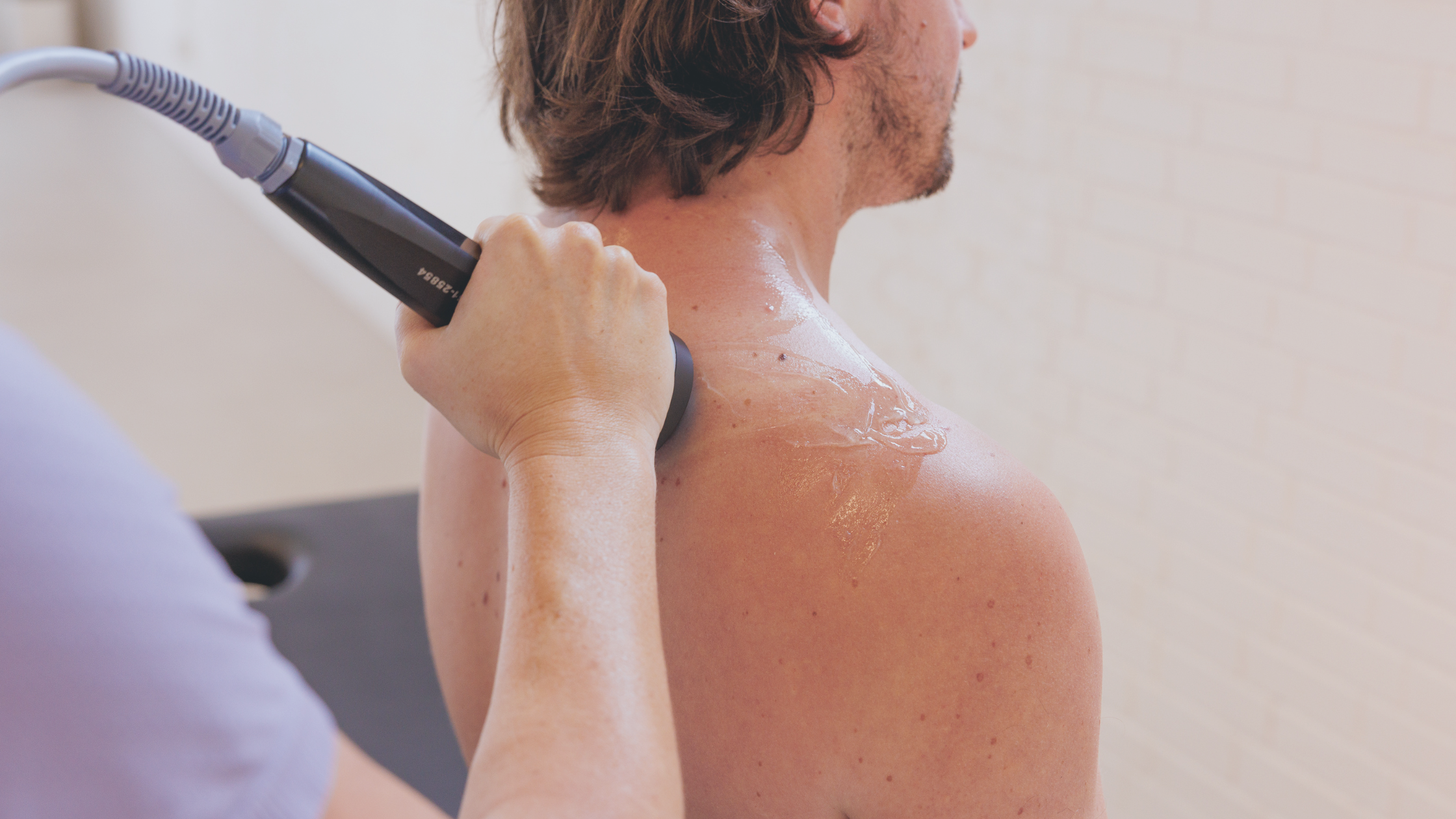
StemWave delivers focused acoustic waves into the labral tissue and biceps anchor, targeting the biology directly. At the cellular level it stimulates mechanotransduction, activating fibroblasts, tenocytes, and labral cells to upregulate regenerative gene expression. It promotes new blood vessel formation through VEGF upregulation, which improves oxygen and nutrient delivery to tissue that is otherwise hypovascular. It also mobilizes mesenchymal stem cells to the injured area, supporting endogenous repair, and drives a Type III to Type I collagen transition that improves tensile strength and tissue resilience.
The result is that tissue which has stopped healing begins actively remodeling. Pain improves as biology improves, not through symptom suppression.
Active Release Technique
The labrum doesn't fail in isolation. In overhead athletes, the tissues that drive and decelerate the shoulder are under significant cumulative load, and restrictions in those structures alter joint mechanics in ways that concentrate stress at the biceps anchor.
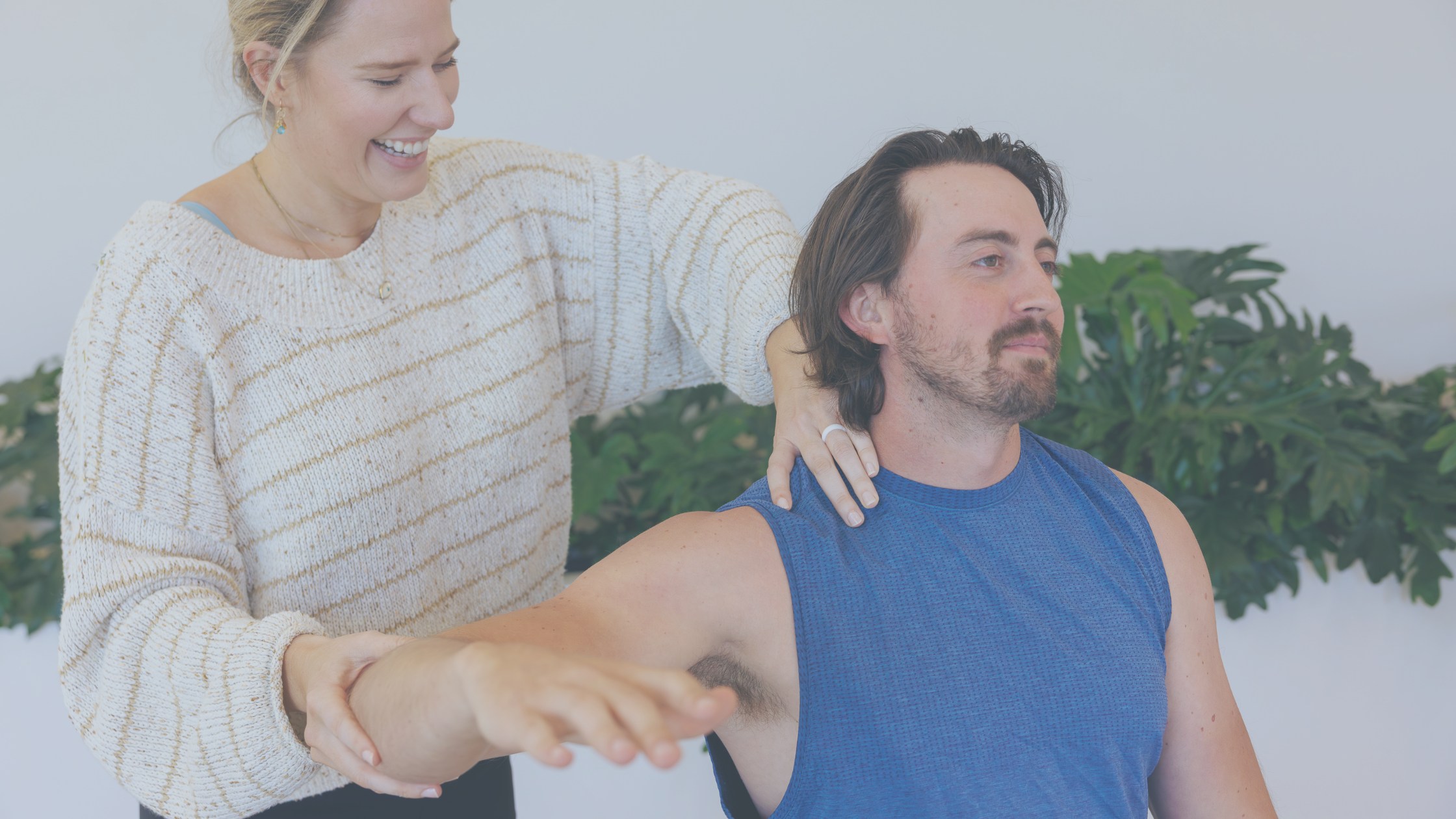
We use ART to address the posterior capsule, the rotator cuff, the biceps and biceps tendon, the pec minor, and the periscapular muscles including the serratus anterior and lower trapezius. Restrictions in the posterior capsule are particularly relevant in overhead athletes, as posterior tightness drives the humeral head forward and superiorly during the throwing or pulling motion, increasing shear at the superior labrum. Clearing those restrictions and restoring normal tissue mobility changes the mechanical environment the labrum is working in, which is necessary for the tissue repair to hold.
We also assess thoracic mobility and cervical mechanics, because restricted thoracic rotation forces the shoulder to compensate through a greater range of glenohumeral motion, placing extra demand on the labrum and biceps anchor with every overhead rep.
Acupuncture
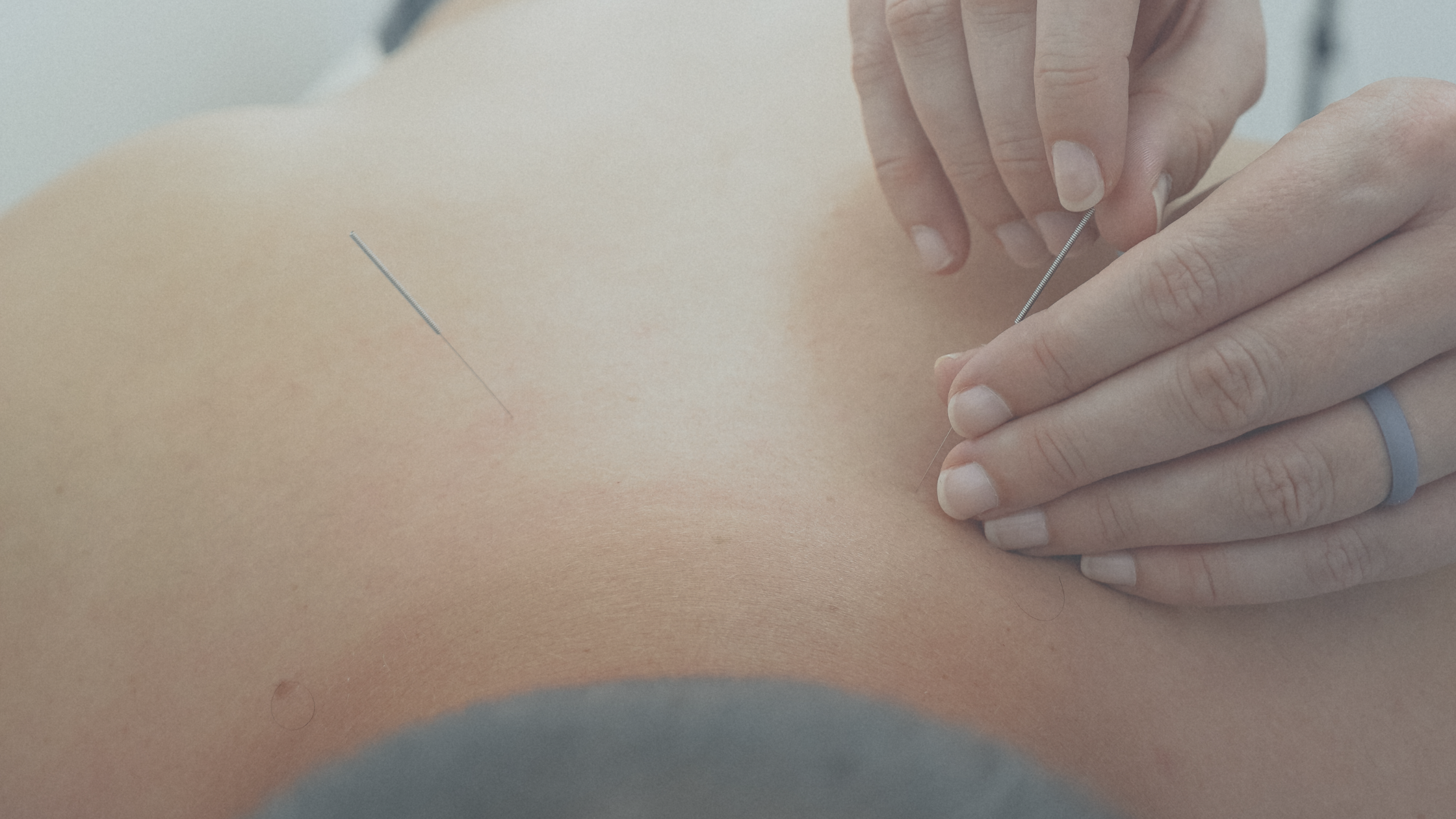
Acupuncture contributes to the pain modulation side of treatment. Chronic shoulder pain in overhead athletes often involves significant nociceptor sensitization, where the nervous system has become reactive to inputs that wouldn't normally be painful. Acupuncture reduces substance P, modulates nociceptor sensitivity, and improves neuromuscular signaling in the shoulder and surrounding tissue. This makes the joint less reactive during the early stages of loading and allows the manual and shockwave work to be more effective. For athletes who need to maintain some level of throwing or overhead activity during recovery, managing pain sensitization is a practical part of keeping them functional.
Mechanics and Home Program
Treating the tissue without addressing why it was overloaded produces incomplete results. For overhead athletes, that means looking at how force is generated and transferred through the kinetic chain during their sport-specific movements. A pitcher with restricted hip rotation, for instance, places more rotational demand on the shoulder to generate the same velocity. A swimmer with poor thoracic extension compensates through excessive glenohumeral range. We assess these patterns and address them directly, both in treatment and in the individualized home program we build for each patient.
The home program typically progresses from rotator cuff activation and scapular stability work early in care, through posterior chain and thoracic mobility, and into sport-specific loading patterns as the shoulder responds. The goal is to return you to full overhead activity with a shoulder that is structurally sounder than when you started, not just pain-free at rest.
What to Expect
Most overhead athletes with SLAP tears notice meaningful improvement in pain and shoulder confidence within three to four weeks of starting care, typically seen one to two sessions per week. Full return to overhead sport depends on tear type, chronicity, and how the tissue responds. We give you an honest picture at the first visit and adjust the plan based on how you progress.
If you're an overhead athlete in Sarasota dealing with a SLAP tear diagnosis and want to understand your conservative options before committing to surgery, we're at 3982 Bee Ridge Rd, Sarasota, FL 34233. Book online at wellcochiropractic.com.